
Living Labs
Five real-world environments where innovative urban mobility solutions are co-created, tested, and scaled.

Brașov, Romania
The Challenge
Brașov’s historic center faces ongoing challenges with traffic congestion, limited parking, and high pollution levels. To address this, local authorities have introduced measures such as a Low Emission and Limited Traffic Zone, peak-hour access restrictions, and resident-priority parking.
Current Initiatives
The city is enhancing public transport, expanding pedestrian zones, and developing cycling infrastructure to encourage sustainable, non-motorized mobility.
PROMISE
PROMISE's living lab pilot introduces cargo bikes for last-mile deliveries in Brașov’s historic center, aiming to reduce traffic and pollution while preserving the city’s heritage. Insights from Brașov can guide sustainable mobility solutions in other historic cities.
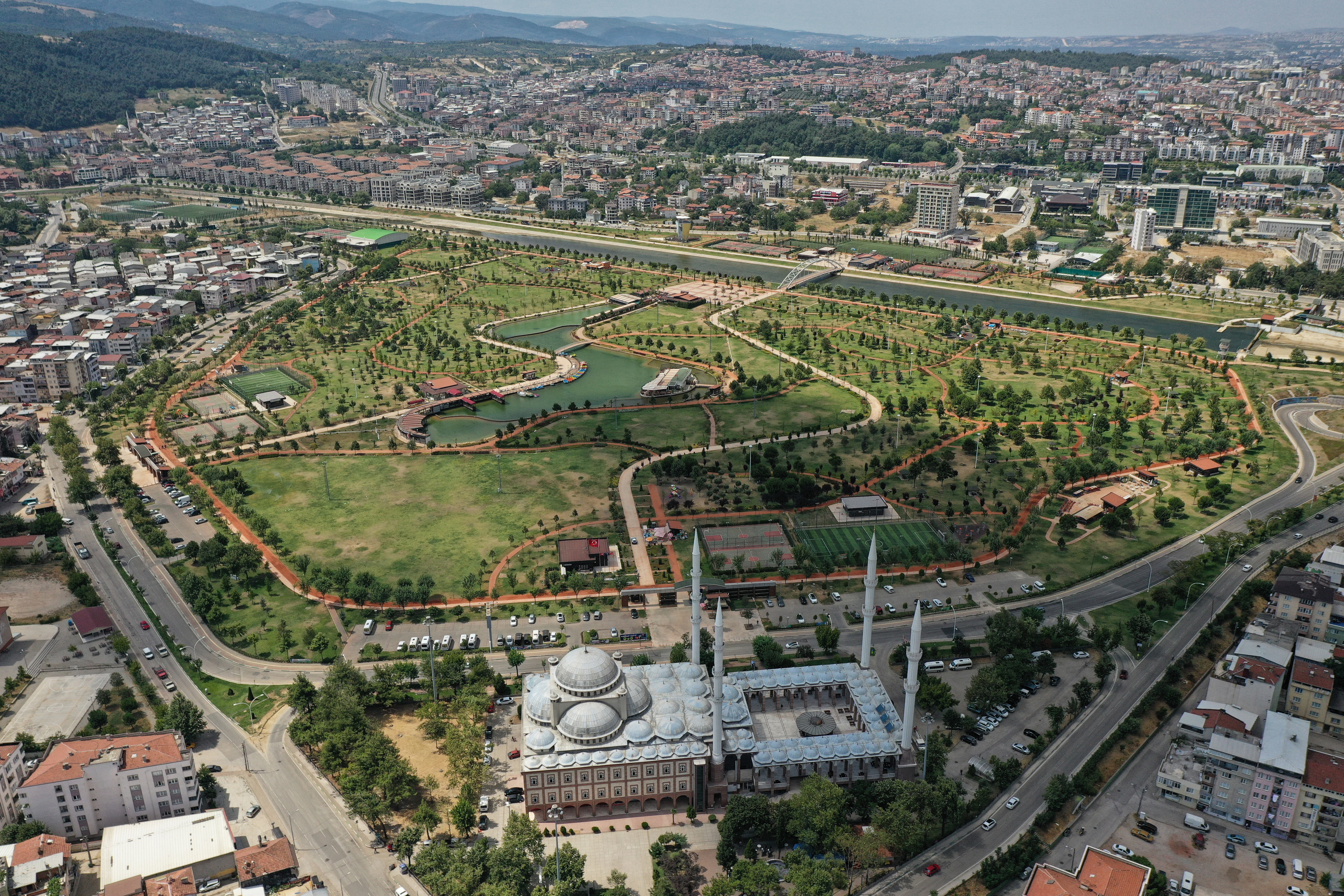
Osmangazi, Türkiye
The Challenge
Osmangazi faces mobility challenges between its new city square and the historical area. Plans to restrict vehicle access to the historic zone aim to improve accessibility and reduce congestion.
Current Initiatives
The city participates in urban mobility projects and supportive infrastructure development, with long-term goals including the adoption of micro-mobility solutions.
PROMISE
PROMISE's pilot enhances micro-mobility connections between new urban developments and historical areas, integrating different transportation modes while preserving heritage value. Strategies developed in Osmangazi can guide other municipalities in planning effective transit systems.

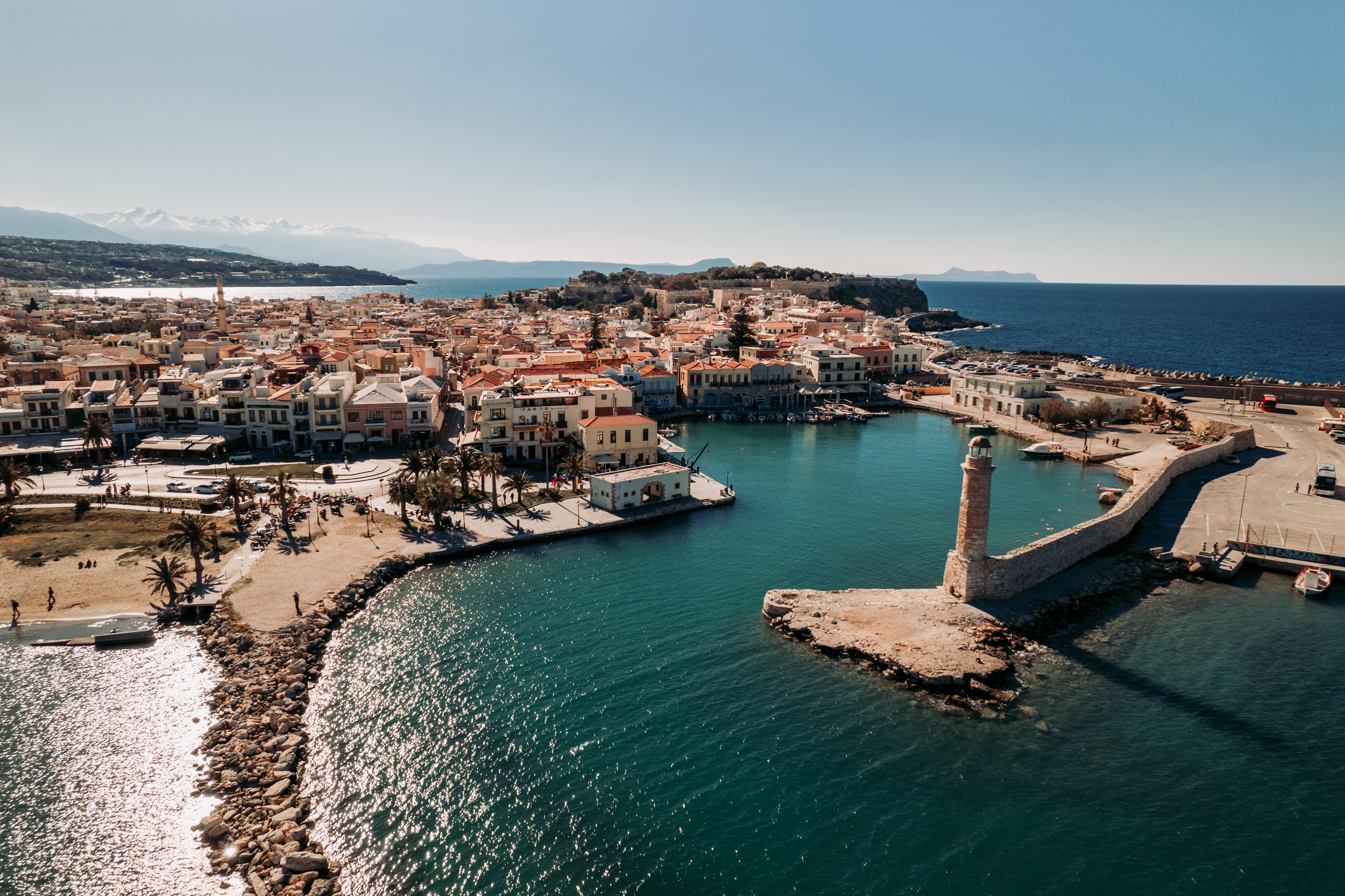
Rethymno, Greece
The Challenge
Rethymno aims to expand micro-mobility options, especially for tourists, while addressing concerns from local communities regarding safety and the use of public spaces.
Current Initiatives
The city engages stakeholders, runs educational campaigns, and organizes trial programs and community events to foster acceptance and integration of micro-mobility solutions.
PROMISE
PROMISE's pilot develops micro-mobility options for both tourists and residents, balancing local culture with innovative transport solutions. Lessons from Rethymno can guide other tourist-heavy cities in reducing traffic while enhancing tourist experiences.

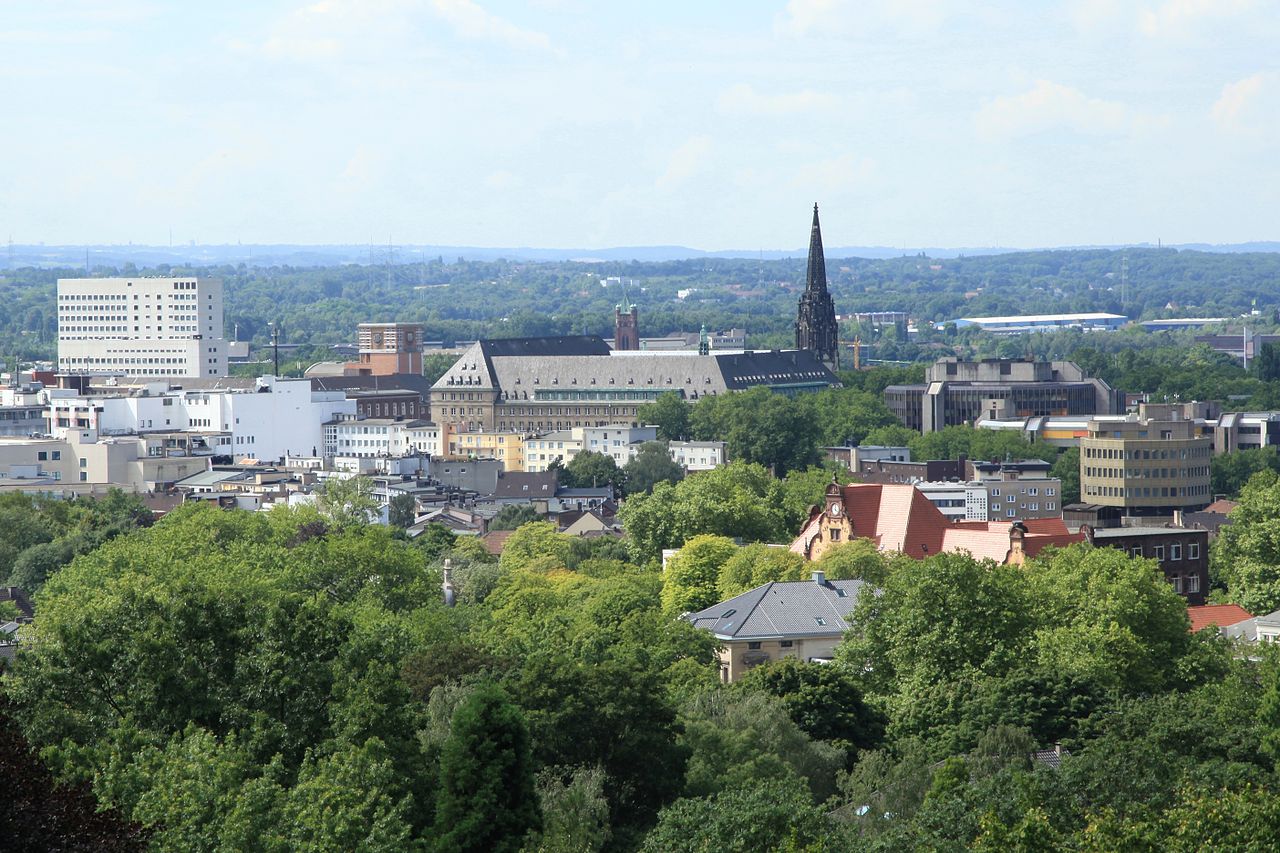
Bochum, Germany
The Challenge
Bochum is re-evaluating and optimizing its logistics models to reduce car dependency and improve urban mobility.
Current Initiatives
The city has a strong framework of traffic management and environmental policies, providing a solid foundation for promoting sustainable mobility and logistics solutions.
PROMISE
PROMISE's pilot focuses on enhancing urban delivery and logistics through a cargo bike fleet, tackling congestion and pollution from delivery traffic. This approach can be adapted to other cities facing similar challenges. Partnerships between the city, local businesses, and logistics providers create a replicable framework, enabling more efficient, low-carbon urban deliveries tailored to each city’s layout and economic context.

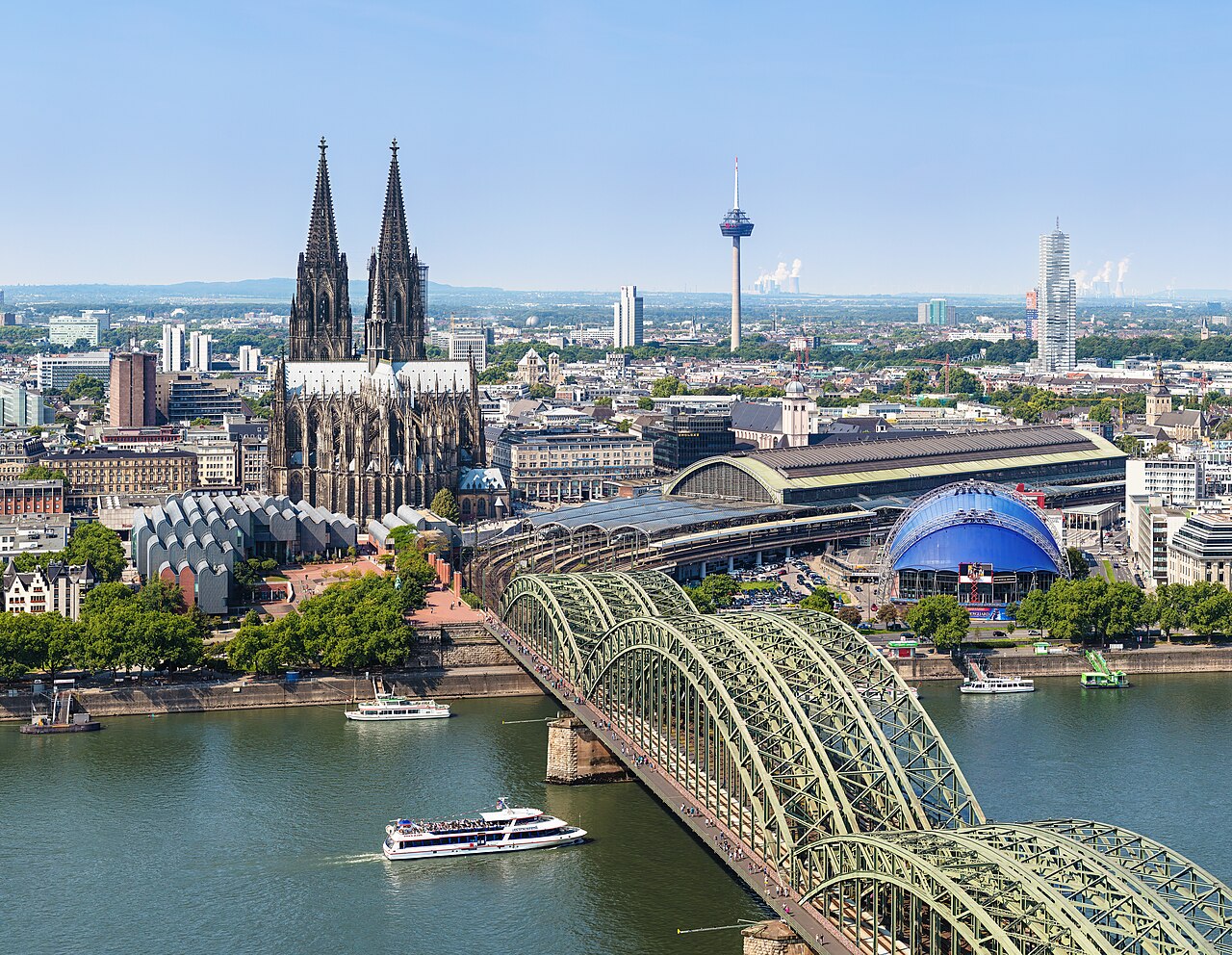
Cologne, Germany
The Challenge
The City of Cologne intends to improve its urban accessibility and mobility, combined with supportive regulations and infrastructure.
Current Initiatives
The city promotes inclusive and sustainable transport solutions and already maintains a network of cargo bike services, supported by large companies such as UPS.
PROMISE
PROMISE's pilot focuses on adapting cargo bikes for diverse user groups, including elderly and handicapped individuals, providing a model for inclusive urban mobility. Insights can guide other cities in creating user-centered, accessible transport systems.